How Small Rituals Like Baking Support Wellness Goals for a Healthier Lifestyle
Small rituals can significantly enhance wellness goals, often in understated yet powerful ways. Engaging in activities like baking can foster mindfulness, reduce stress, and promote a sense of accomplishment, all of which contribute to overall well-being.
The act of measuring, mixing, and waiting for dough to rise creates a unique opportunity for individuals to focus on the present moment, offering a break from daily distractions. This intentional engagement not only nurtures the mind but also provides a creative outlet that can be both satisfying and therapeutic.
Incorporating baking into one’s routine can also lead to healthier eating habits. By choosing whole ingredients and preparing meals from scratch, individuals gain greater control over their nutrition while enjoying the process of creating something delicious.
The Power of Small Rituals for Wellness
Small rituals can play a significant role in enhancing overall well-being. They offer structure, promote emotional health, and can be tailored to individual wellness journeys. By incorporating daily rituals, individuals often find greater stability and focus on their intentions.
How Daily Rituals Support Well-Being
Daily rituals, such as baking, create moments of mindfulness and connection. Engaging in these activities allows individuals to be present, reducing stress and increasing clarity of thought.
- Rituals can include morning coffee preparation, evening meditation, or regular baking.
- These practices foster a sense of accomplishment and control, contributing positively to emotional well-being.
- Establishing a framework through routines encourages consistency, which is crucial for ongoing wellness.
The Science Behind Rituals and Mental Health
Research supports the idea that rituals can enhance mental health by providing psychological benefits. Engaging in structured activities helps reduce anxiety, as they create predictability in daily life.
- Hormonal impact: Rituals can lower cortisol levels, the stress hormone.
- Behavioral reinforcement: Completing a ritual triggers dopamine release, reinforcing positive behavior.
- Psychological studies indicate that ritualistic behavior can lead to improved focus and resilience.
Consistency and Intention in Wellness Rituals
The effectiveness of wellness rituals relies on consistency and intention. Establishing a routine fosters a habit that reinforces an individual’s commitment to their well-being.
- Set specific goals: Individuals should define what they wish to achieve through their rituals.
- Be adaptable: Flexibility allows for adjustments based on personal needs or circumstances.
- Remain mindful: Intention behind each ritual enhances the experience, bringing deeper satisfaction.
By emphasizing consistency and thoughtful engagement, small rituals become powerful tools in pursuing wellness goals, offering clarity, stability, and emotional support throughout one’s journey.
Baking as a Mindful Wellness Practice
Baking serves as a conduit for mindfulness, allowing individuals to immerse themselves in a sensory experience. This practice not only nurtures creativity but also offers numerous benefits for mental wellness and emotional balance.
Mindful Baking and Mental Wellness
Mindful baking emphasizes focusing on the present moment, allowing participants to engage fully with their surroundings. As they measure ingredients, mix batter, and observe the transformation in the oven, they cultivate awareness. This practice can help minimize anxiety, providing moments of calm amidst everyday chaos. Engaging in structured tasks creates a sense of accomplishment, reinforcing positive affirmations and contributing to an overall sense of well-being.
Reducing Stress and Cultivating Joy Through Baking
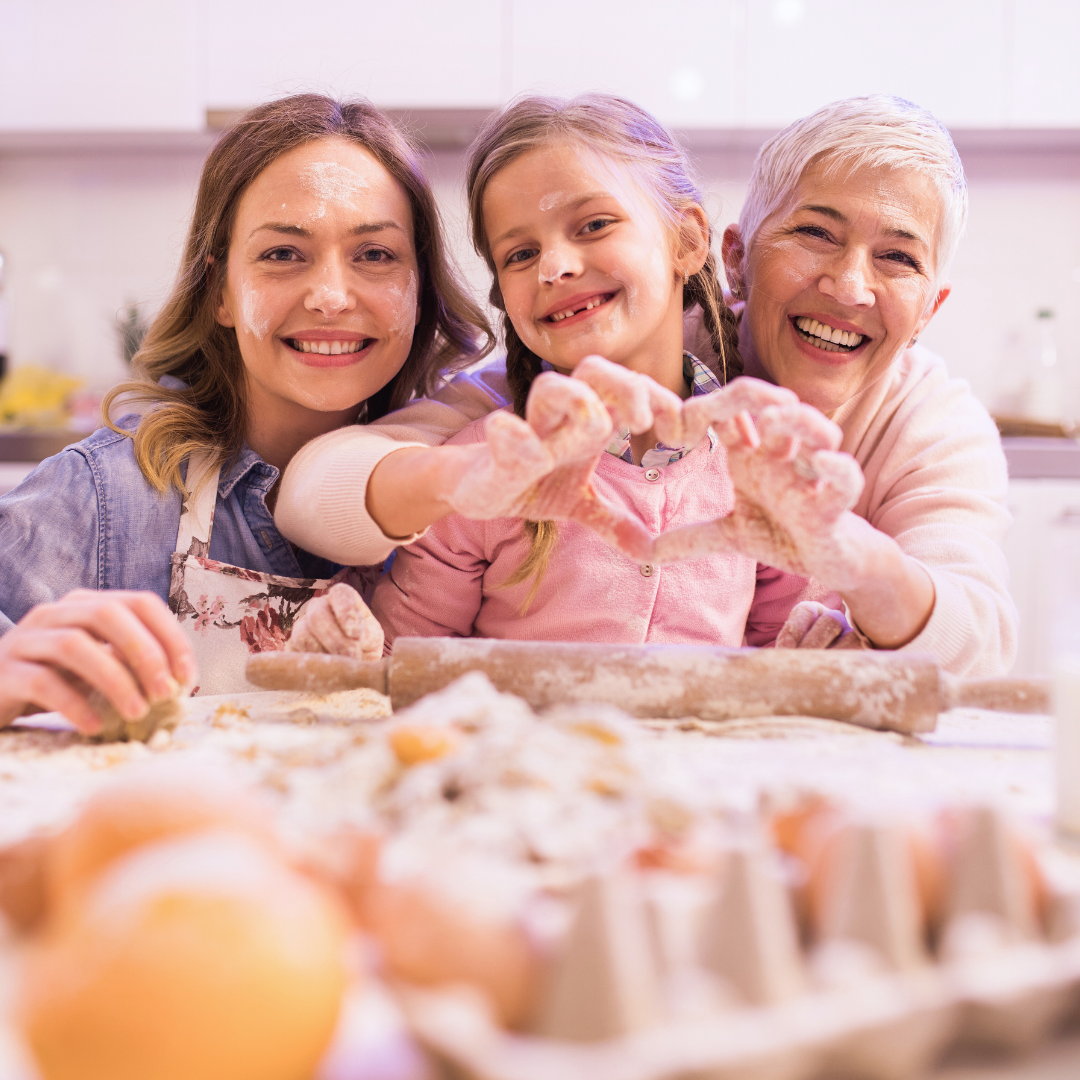
Baking can serve as a practical method for stress reduction. The repetitive motions involved, such as kneading dough or stirring batter, provide a rhythmic quality that can be soothing. The act of creating something with one’s hands promotes a sense of joy and fulfillment. Sharing baked goods can enhance social connections, further boosting mood. Incorporating music or calming scents can also amplify this joyful experience, linking positive sensory cues with the act of baking.
Baking Rituals for Emotional Balance
Establishing baking rituals can support emotional balance by offering predictability and comfort. For example, setting aside time each week to bake allows individuals to create a steadiness in their routines. Personalizing these rituals with meaningful recipes or family traditions can evoke nostalgia and deeper connections. Engaging in these practices can also provide an opportunity to process emotions in a healthy way, using the act of baking as a form of self-care and reflection.
Intention and Delight in Everyday Baking
Setting intentions before baking can amplify the experience, transforming it into a form of meditation. By choosing specific affirmations or focusing on gratitude, individuals can enhance their emotional state by connecting with positive feelings. Delight can also be found in experimenting with new recipes or flavor combinations, fostering creativity and innovation. This mindful approach infuses everyday baking with purpose, leaving individuals feeling more centered and fulfilled.
Integrating Small Rituals Into Your Wellness Routine
Small rituals can seamlessly fit into a wellness routine, enhancing personal goals and promoting self-care. By incorporating these intentional habits, individuals can create a balanced approach to wellness that aligns with their daily routine and productivity needs.
Building Consistent Wellness Habits
Establishing consistent wellness habits requires commitment and regular practice. Small rituals, such as baking, can serve as a foundation for this consistency.
- Schedule Time: Set aside specific times during the week for these rituals.
- Start Small: Begin with manageable tasks to avoid feeling overwhelmed.
- Track Progress: Keep a journal to monitor improvements in mood and overall wellness.
Integrating baking into a weekly schedule can make it easier to stick to these habits, reinforcing a sense of accomplishment and satisfaction.
Combining Baking with Other Wellness Practices
Combining baking with other wellness practices enables a comprehensive approach to self-care.
- Mindfulness: Focus on the sensory experiences in baking—textures, smells, and flavors. This can enhance mindfulness and reduce stress.
- Physical Activity: Incorporate movement by engaging in light exercises before or after baking. This supports physical well-being.
- Nutrition: Choose healthy ingredients to reinforce a commitment to a nutritious lifestyle. Consider alternatives like whole grains or natural sweeteners.
These combinations enrich the experience and contribute to achieving both wellness and cooking goals.
Creating a Personalized Wellness Routine
A personalized wellness routine should cater to individual preferences and goals.
- Identify Needs: Determine specific wellness targets, such as improving mental clarity or maintaining a healthy lifestyle.
- Incorporate Flexibility: Allow room for adjustment; some weeks may demand less or more baking based on other commitments.
- Set Intentions: Clearly define what each ritual aims to achieve, enhancing motivation and focus.
This tailored approach can significantly increase adherence to one’s wellness routine, fostering balance and progress over time.
Complementary Rituals for Whole-Person Wellness
Integrating small rituals into daily life can significantly enhance well-being. Practices such as gratitude journaling, movement in nature, and self-care routines create a supportive framework for holistic health.
Gratitude Journaling and Positive Mindset
Gratitude journaling encourages individuals to reflect on positive experiences. This practice, often done each morning or evening, can boost self-esteem and foster resilience.
By noting three things they are thankful for, individuals train their minds to focus on positivity. This can improve emotional health and alleviate stress.
Creating a structured gratitude practice can involve prompts or thematic focuses, like “What made you smile today?” Incorporating this practice into the evening ritual may enhance sleep quality by promoting relaxation.
Movement, Nature, and Moments of Play
Engaging in movement, especially outdoors, supports both physical and mental health. Simple activities like brisk walks in nature can refresh the mind and body.
Spending time outside also fosters a connection with the environment, which can enhance feelings of well-being. It offers a chance for play, embracing spontaneity and joy.
Incorporating elements of play—such as dancing, playing a sport, or exploring a new trail—can invigorate days. These moments of joy serve as a counterbalance to daily stressors, offering significant mental wellness benefits.
Self-Care for Mind and Body
Self-care encompasses nurturing practices for both the mind and body. A consistent skincare routine can enhance physical health while providing a moment of mindfulness.
Incorporating herbal tea into daily life offers both hydration and a calming ritual. Mindful eating practices encourage individuals to savor their meals, promoting better digestion and appreciation for food.
Additionally, focused practices like mindful breathing and meditation cultivate inner peace and reduce anxiety. Establishing boundaries is crucial; it protects personal time and fosters community connections, enhancing overall well-being.