How Hobbies Support Emotional Balance and Self-Care: Essential Practices for Well-Being
Engaging in hobbies is more than just a pastime; it serves as an essential component of emotional balance and self-care. Activities that individuals are passionate about foster a sense of fulfillment and can significantly reduce stress levels. Whether it’s painting, gardening, or playing an instrument, these interests allow individuals to express themselves and take a break from daily pressures.
Regular participation in enjoyable activities promotes mental clarity and enhances mood. Hobbies provide an opportunity for individuals to disconnect from their routines and re-energize their minds. The focus required in pursuing these interests can act as a natural form of mindfulness, helping to center thoughts and emotions.
The positive impact of hobbies extends beyond mere enjoyment. They create a sense of community and connection with others who share similar interests, reinforcing emotional well-being. By prioritizing hobbies, individuals not only enhance their self-care practices but also cultivate resilience in facing life’s challenges.
The Role of Hobbies in Emotional Balance and Self-Care
Hobbies play a significant role in fostering emotional balance and enhancing self-care practices. They provide individuals with a sense of purpose and joy, contributing to better mental health and well-being.
Understanding the Connection Between Hobbies and Well-Being
Engaging in hobbies allows individuals to express themselves and explore their passions. This self-expression can be a powerful antidote to feelings of anxiety and depression. Hobbies often encourage participants to focus on the present moment, which promotes mindfulness, a key factor in emotional resilience.
Additionally, hobbies can serve as a social outlet, helping to build meaningful connections with others. Whether through clubs, classes, or online communities, shared interests often lead to enriching relationships that further support emotional well-being.
Key Mental Health Benefits of Engaging in Hobbies
Hobbies offer various mental health benefits that directly impact emotional balance. They can reduce symptoms of anxiety and depression by providing an enjoyable distraction from daily stressors.
Participating in hobbies releases endorphins, which can elevate mood and enhance feelings of happiness. Activities like painting, gardening, or playing sports can also foster a sense of accomplishment and increase self-esteem.
Furthermore, engaging in creative hobbies stimulates cognitive functions, promoting problem-solving and improving mental clarity. This cognitive engagement helps combat feelings of stagnation or helplessness associated with mental health struggles.
How Hobbies Contribute to Stress Reduction and Relaxation
Hobbies are effective tools for stress reduction and relaxation. The immersive nature of activities allows individuals to escape from their routine stresses and enter a state of flow. This state contributes to increased relaxation and decreased tension levels.
Certain hobbies, such as yoga or meditation, intentionally focus on relaxation techniques. These practices can lower cortisol levels, fostering a calming effect on both mind and body.
Physical hobbies, like hiking or dancing, also provide an outlet for pent-up energy, further alleviating stress. Incorporating such activities into daily routines can create a structured approach to managing stress and enhancing overall emotional support.
Types of Hobbies That Promote Emotional Balance
Hobbies play a significant role in fostering emotional well-being. Engaging in various activities can help individuals express themselves, connect with others, and find balance in their lives.
Creative Outlets for Self-Expression and Growth
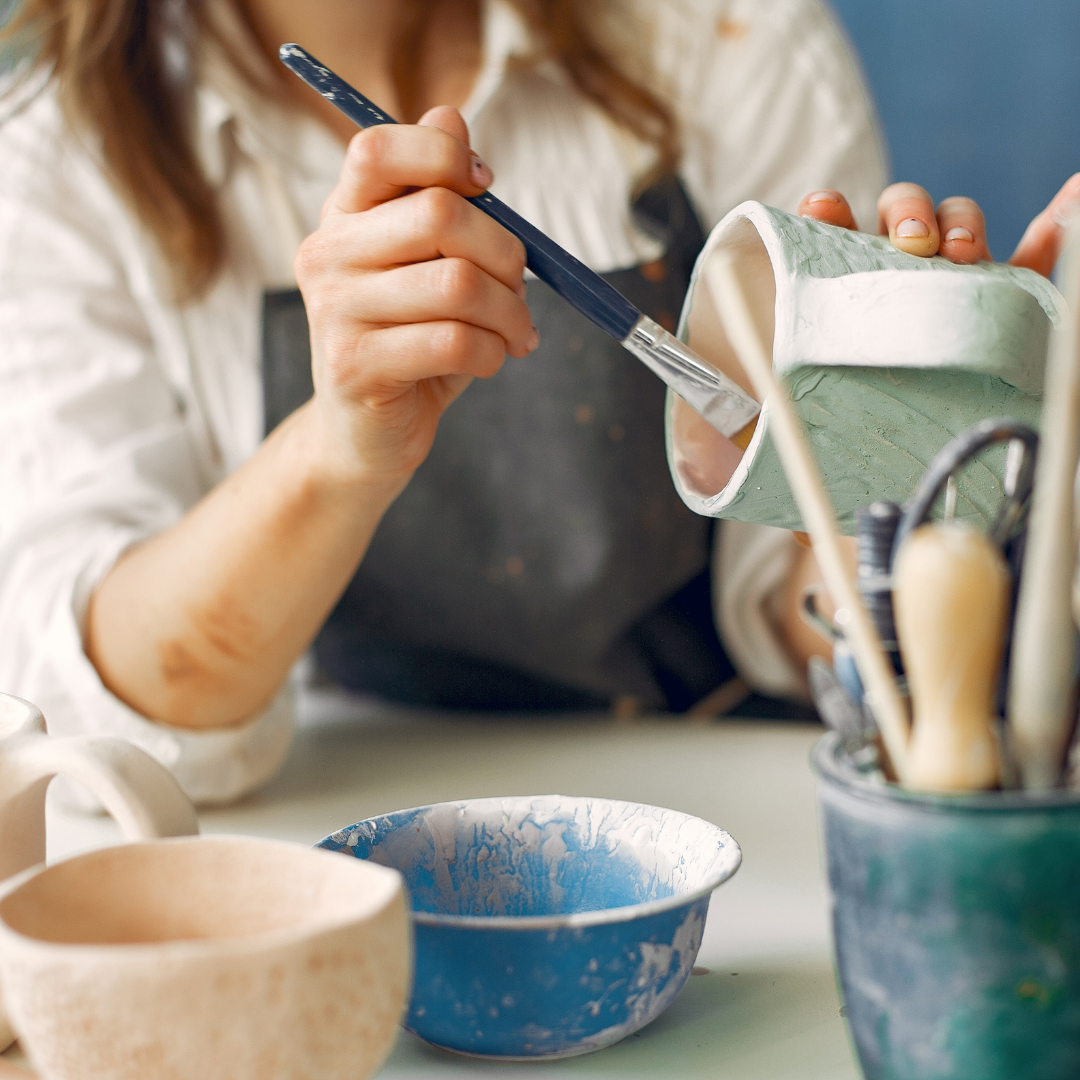
Creative hobbies like painting, drawing, writing, and photography provide essential avenues for self-expression. These activities allow individuals to explore their thoughts and emotions, translating feelings into tangible forms.
For instance, journaling can facilitate reflection and clarity, helping people process experiences. Arts and crafts encourage hands-on engagement, promoting focus and reducing stress.
Participating in music—whether playing instruments or singing—can elevate mood and stimulate emotional release. DIY projects can also foster a sense of accomplishment, enhancing one’s confidence and emotional resilience.
Physical Activities Supporting Mental and Physical Health
Physical hobbies contribute significantly to both mental and physical health. Exercise, such as yoga, cycling, or hiking, releases endorphins that combat stress and improve mood.
Team sports or individual fitness activities foster a sense of achievement and enhance self-esteem. Engaging in regular exercise routines promotes not only physical strength but also emotional stability.
Outdoor activities like gardening can be therapeutic, providing a connection with nature and promoting mindfulness. Ultimately, such physical engagements serve as powerful tools for maintaining overall emotional balance.
Social Hobbies for Building Connection and Community
Social hobbies encourage meaningful interactions and community involvement. Joining a book club promotes intellectual engagement while creating bonds through shared interests.
Volunteering helps individuals connect with others while contributing positively to society. Such activities foster a sense of belonging, reducing feelings of isolation.
Playing board games or participating in social games can also build friendships and strengthen social connections. Engaging in these pursuits can enhance emotional support networks, vital for mental well-being.
Mindfulness and Meditation-Based Practices
Activities centered on mindfulness and meditation can significantly enhance emotional balance. Practicing mindfulness through meditation helps individuals cultivate awareness and reduce anxiety.
Incorporating mindfulness into daily routines, such as through mindful gardening or birdwatching, encourages presence in the moment. These practices enhance inner peace and emotional clarity.
Establishing a regular meditation routine can lead to lasting changes in emotional health. By fostering a comforting environment, these hobbies promote a balanced emotional state and provide respite from daily stresses.
How Hobbies Foster Personal Growth and Life Satisfaction
Engaging in hobbies plays a significant role in enhancing personal growth and boosting life satisfaction. Through various leisure activities, individuals can enhance self-esteem, increase motivation, and foster emotional resilience. These facets contribute to a meaningful and fulfilling life.
Boosting Self-Esteem and Self-Confidence Through Leisure Activities
Engaging in hobbies encourages individuals to challenge themselves in enjoyable ways. Whether it’s painting, playing a musical instrument, or participating in sports, achieving personal goals in these areas can greatly boost self-esteem.
When someone sees improvement in their ability or skill, it reinforces their belief in their capabilities. This newfound confidence often extends beyond the hobby, positively influencing other areas of life, including personal and professional endeavors.
Enhancing Motivation and Productivity
Hobbies can serve as a powerful motivator. Individuals often return to their daily responsibilities with renewed focus and energy after engaging in a passion. This motivation can translate into enhanced productivity at work or in personal projects.
Furthermore, taking time for leisure activities can prevent burnout. It allows for a healthy balance between work and play, fostering an environment where creativity can thrive. A fulfilling hobby provides the necessary mental breaks that sustain long-term motivation.
Supporting Resilience, Positive Mindset, and Emotional Support
Participating in hobbies can significantly bolster resilience. Regular involvement in enjoyable activities offers an outlet for stress relief, allowing individuals to approach challenges with a positive mindset.
Engaging in creative or physical activities can act as an emotional buffer. Through hobbies, individuals learn to cope with setbacks, building resilience that helps them manage life’s ups and downs more effectively.
Exploring New Interests for Continued Personal Development
Exploring new hobbies can lead to ongoing personal development. Trying different activities not only keeps life interesting but also opens doors to discovering untapped potential and passion.
This exploration fosters a sense of self-love, as individuals acknowledge their capability to learn and grow. Each new interest pursued contributes to a richer, more satisfying life experience, enhancing overall life satisfaction.
Tips for Integrating Hobbies Into Your Self-Care Routine
Incorporating hobbies into a self-care routine can enhance emotional balance and promote happiness. By establishing a consistent practice, finding joy in leisure time, and balancing hobbies with daily responsibilities, individuals can foster a more fulfilling lifestyle.
Establishing a Consistent Practice
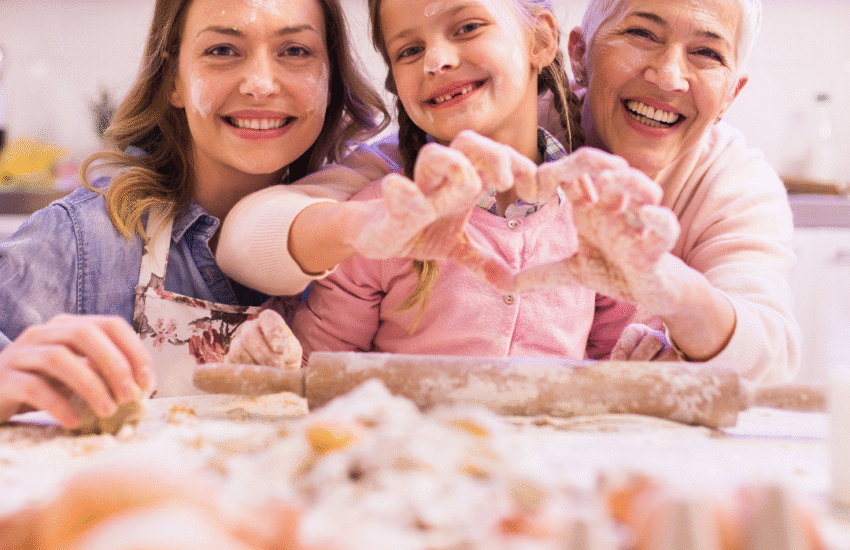
Setting aside dedicated time for hobbies creates a structured approach to self-care. Individuals can block off specific days or times each week for activities like baking, knitting, or cooking.
Creating a routine allows the brain to anticipate this time for relaxation and enjoyment. For instance:
- Choose a Day: Designate a specific day of the week for a hobby.
- Set a Timer: Allot a reasonable amount of time, such as one hour, to focus solely on the chosen activity.
- Be Flexible: Adjust the schedule as needed, but strive to maintain regularity.
This consistency reinforces the importance of leisure and self-care.
Finding Enjoyment and Joy in Leisure Time
Finding joy in hobbies involves selecting activities that truly resonate. People should choose hobbies that excite them, whether it’s painting, gardening, or experimenting with new recipes.
To enhance enjoyment:
- Experiment: Try new hobbies without the pressure to excel.
- Join a Group: Participate in local clubs or online communities to share experiences.
- Focus on the Process: Enjoy the act itself rather than the outcome.
Feeling joy during hobbies cultivates happiness, significantly impacting emotional well-being.
Balancing Hobbies With Daily Responsibilities
Integrating hobbies into a busy life can be challenging, but with careful planning, it is achievable. Prioritizing tasks in daily life helps create space for self-care.
Here are some strategies:
- Set Priorities: Identify daily responsibilities that must be addressed versus those that can be postponed.
- Combine Activities: Engage in hobbies that can coexist with other responsibilities. For instance, knitting while watching a movie or cooking for family meals can be effective.
- Utilize Small Moments: Use short breaks during the day for quick creative bursts, such as sketching or reading.
By maintaining balance, individuals can enjoy their hobbies while fulfilling obligations.