How Baking Can Boost Your Mental Well-Being: The Therapeutic Effects of Creating Delights in the Kitchen
Baking offers much more than a delicious end product; it serves as a powerful tool for enhancing mental well-being. Engaging in the process of baking can improve mental health by promoting mindfulness, reducing stress, and providing a sense of accomplishment. The rhythmic nature of measuring, mixing, and creating allows individuals to focus their minds and escape everyday worries.
Research highlights that the act of baking can trigger the release of endorphins, the body’s natural mood lifters. This activity often fosters creativity and provides an opportunity for social interaction, whether through sharing baked goods or collaborating with others in the kitchen. As a result, individuals can experience both immediate joy and long-term psychological benefits from their culinary endeavors.
Incorporating baking into one’s routine can be a simple yet effective way to combat anxiety and improve overall mental health. By embracing this fulfilling hobby, individuals tap into a rewarding experience that nourishes both the body and the mind.
The Psychological Benefits of Baking
Baking provides various psychological benefits that can significantly enhance mental well-being. Engaging in this creative process can alleviate stress, improve mood, and serve as a mindful activity that fosters emotional health.
How Baking Supports Mental Health
Baking acts as a form of therapy, offering a productive outlet for emotions. The act of measuring, mixing, and creating can focus the mind, diverting attention from negative thoughts. Furthermore, the process engages multiple senses, creating a stimulating experience that can lead to increased serotonin levels.
The rhythmic actions involved in baking promote calmness, allowing individuals to achieve a meditative state. By participating in such a structured activity, one can build a sense of accomplishment, enhancing self-esteem and fostering resilience against mental health challenges.
Reducing Stress and Anxiety
Baking can play a vital role in reducing stress and anxiety. The repetitive motions involved—such as kneading dough or whisking ingredients—can be soothing, similar to practices like yoga or meditation. This focus on tactile experiences facilitates mindfulness, drawing attention away from anxiety-inducing thoughts.
Additionally, the preparation of food can cultivate a connection to the present moment. A warm kitchen filled with delicious smells can invoke feelings of comfort, further alleviating physical and mental tension. Engaging in baking can also lead to healthier coping mechanisms as individuals shift their focus from stressors to the joy of creating something tangible.
Boosting Mood and Emotional Well-Being
Creating baked goods has been shown to boost mood through the release of endorphins, dopamine, and serotonin. These “feel-good” chemicals can enhance emotional well-being and combat feelings of depression. The joy derived from seeing a finished product or sharing it with others can also contribute to a sense of belonging and community.
Baking allows individuals to express creativity, which can be therapeutic and fulfilling. Customizing recipes or experimenting with flavors can lead to a sense of ownership and pride. This self-expression is crucial for maintaining emotional balance and combating daily life’s pressures.
Baking as a Creative and Therapeutic Outlet
Baking serves as a unique intersection of creativity and mental wellness. Engaging in this activity offers individuals a way to express themselves while also providing a means to cope with stressors. The following subsections explore these dimensions in depth.
Expressing Creativity and Self-Expression
Baking is not merely a routine task; it is a canvas for self-expression. Each recipe allows for personal interpretation, where ingredients can be substituted, and techniques modified. This creativity fosters a sense of personal growth.
Through baking, individuals can explore flavors, textures, and designs. Experimenting with colors and decorations adds an artistic layer, transforming a simple loaf into a visual masterpiece. Such creative endeavors can lead to feelings of achievement and bolster self-esteem.
Baking as a Coping Mechanism
For many, baking emerges as a beneficial coping mechanism during challenging times. It provides a focused distraction from stress, allowing individuals to channel their emotions into a productive outlet. Instead of dwelling on negative feelings, they can concentrate on measuring, mixing, and creating.
The act of baking can also provide routine and reliability. Following a structured process gives a sense of control amidst chaos. Completing a recipe can lead to feelings of accomplishment, which can combat anxiety and depression effectively.
The Role of Repetitive Motions and Rituals
The repetitive motions involved in baking—such as kneading dough or whisking ingredients—have calming effects. These rhythmic actions can induce mindfulness, helping individuals to stay present and grounded in the moment.
Many bakers develop rituals around their baking practices. These consistent routines can create a comforting environment, further enhancing mental well-being. Establishing a baking schedule can provide structure and predictability, which are vital in times of stress.
Through these elements, baking becomes more than just a physical activity. It serves as a therapeutic practice that nurtures creativity and mental health simultaneously.
Social Connection and Sharing Through Baking
Baking creates opportunities for social connection and strengthens relationships, offering a platform for sharing and bonding over food. The act of baking can lead to memorable experiences that foster nostalgia and comfort.
Strengthening Bonds and Social Connections
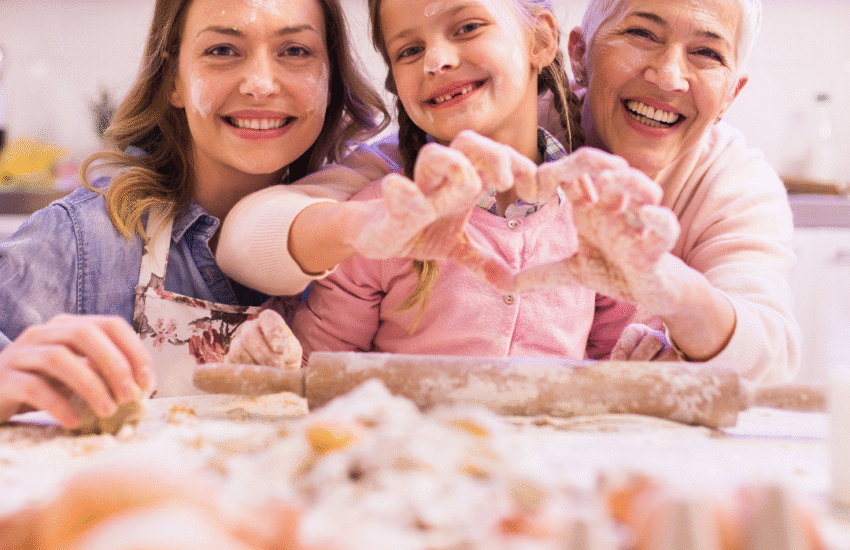
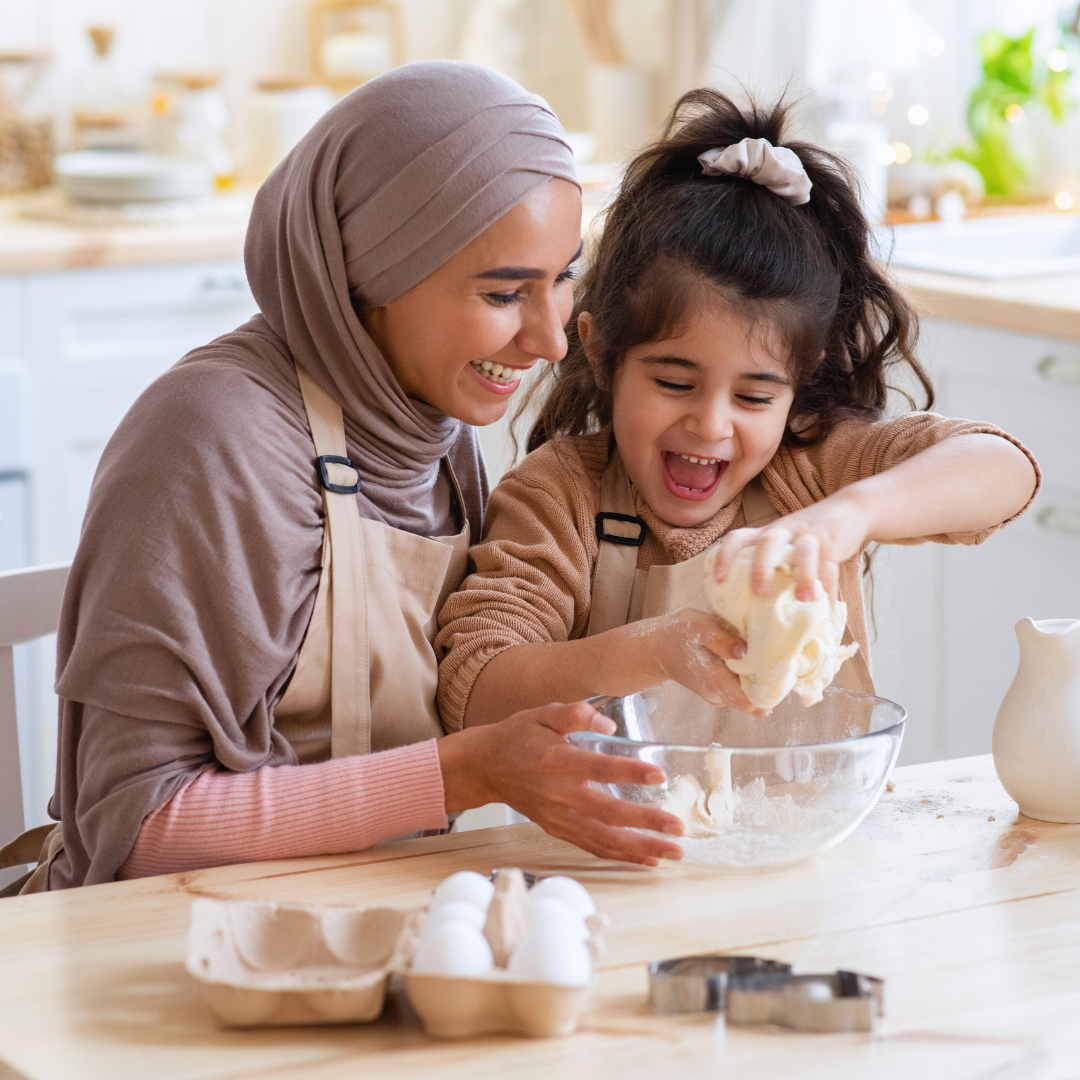
Baking together can serve as an engaging activity that enhances relationships. It invites collaboration, encouraging individuals to work towards a common goal. This shared experience often leads to laughter, conversation, and enjoyable memories.
Group baking sessions—whether with family, friends, or colleagues—nurture deeper connections. Participants learn from each other, share skills, and create a fun, relaxed atmosphere. The resulting baked goods not only satisfy hunger but also nourish the bonds formed during the process.
Sharing Baked Goods for Connection and Comfort
The act of sharing baked goods is a powerful way to express care and affection. Gifting treats can serve as a gesture of kindness, reinforcing social ties. When someone shares a homemade cake or cookies, it conveys thoughtfulness that can strengthen relationships.
These simple acts of sharing can evoke positive memories and feelings of nostalgia. A familiar recipe often reminds individuals of childhood, evoking comfort and joy. Through sharing, individuals create a sense of belonging that resonates deeply, making connections more meaningful.
Baking as a Tool for Community Building
Baking can transcend individual relationships and impact communities. Group events centered around baking, like community bake sales or classes, foster social interaction among diverse individuals. This collective effort promotes inclusion and strengthens community ties.
Community baking initiatives can address local needs while providing a platform for social engagement. Participants come together to bake and give, creating not only delicious goods but also a sense of purpose and shared mission. These activities reinforce the notion that baking is more than just a culinary skill; it’s a way to build lasting connections and contribute to the broader community.
Integrating Baking into Self-Care and Daily Wellness
Baking can serve as a vital tool for enhancing self-care and daily wellness. It promotes mindfulness, engages the senses, and offers practical ways to relieve stress while nurturing creativity. By focusing on the baking process and its sensory experiences, individuals can foster a deeper connection to their well-being.
Mindfulness in the Baking Process
Incorporating mindfulness into baking encourages individuals to engage fully in the moment. Focusing on each step—the measuring, mixing, and kneading—allows for a meditative experience. This attention to detail helps reduce anxiety and fosters relaxation.
Setting aside distractions while baking creates space for clarity. The rhythmic motions of mixing dough or pouring batter can lead to a calming state, enhancing emotional resilience and self-esteem. Mindfulness exercises during baking can also improve cognitive function by sharpening memory and focus.
Sensory Experiences and Mindful Eating
Baking engages multiple senses, making it an ideal activity for mental well-being. The scents of fresh bread or cookies wafting through the kitchen can evoke positive memories, enhancing mood. Engaging with colors, textures, and flavors promotes mindfulness.
Enjoying the finished product mindfully ensures appreciation of the effort involved. Savoring each bite can reinforce a sense of accomplishment and satisfaction. This sensory awareness encourages healthier eating habits by nurturing a more profound connection to food.
Practical Tips for Baking at Home
To integrate baking into a daily routine, starting with simple recipes can be beneficial. Beginners might consider recipes that require few ingredients but allow for creativity, like muffins or cookies.
Creating a designated baking space can enhance focus. This space should be organized with all necessary tools easily accessible.
Setting a regular baking schedule can turn it into a cherished self-care ritual. This practice not only fosters relaxation but also builds self-confidence as new recipes are learned and mastered.
Baking can thus serve as an effective strategy for promoting mental well-being.