Creating the Perfect Environment for Mindful Hobbies: Strategies for Focus and Enjoyment
Creating a mindful hobby space can enhance relaxation and creativity. To achieve this, it is essential to design an environment that minimizes distractions and promotes focus. By intentionally selecting colors, lighting, and decor, individuals can cultivate a space that nurtures their hobbies and encourages a sense of calm.
The importance of physical space cannot be understated. Whether it’s a cozy reading nook or a dedicated art corner, a personal sanctuary can significantly impact one’s ability to engage fully in their chosen activities. Incorporating elements that resonate with personal values will make the space inviting and inspiring.
Mindfulness is closely tied to the act of engaging in hobbies. By setting up an environment that fosters this practice, individuals can deepen their experience and enjoyment. Utilizing strategies such as organizing supplies and creating a peaceful ambiance can transform hobby time into a fulfilling ritual.
Understanding Mindful Hobbies
Mindful hobbies focus on the present moment, allowing individuals to engage fully in their activities. These practices promote relaxation and enhance mental well-being by encouraging awareness and self-care.
Defining Mindful Hobbies
Mindful hobbies are activities that emphasize attention and presence. They involve engaging in tasks that require concentration, which helps to quiet the mind. This mindfulness can manifest in various forms, such as art, gardening, or meditation.
When someone participates in a mindful hobby, they focus on the experience rather than the outcome. This approach cultivates a sense of tranquility and awareness, fostering a deeper connection to one’s thoughts and feelings.
Benefits for Mental Health and Wellbeing
Incorporating mindful hobbies into daily life can significantly enhance mental health. Engaging in mindfulness practices reduces stress and anxiety, as they encourage a focus on the present moment.
Numerous studies have linked relaxation techniques with improvements in emotional regulation. These hobbies can also promote self-care, helping individuals nurture their mental well-being. Regular participation in mindful activities often leads to increased feelings of happiness and fulfillment.
Popular Mindful Activities
Several activities exemplify the concept of mindfulness.
- Meditation: This practice enhances awareness, enabling individuals to connect with their thoughts and emotions.
- Yoga: Combining movement with breath awareness, yoga fosters physical and mental balance.
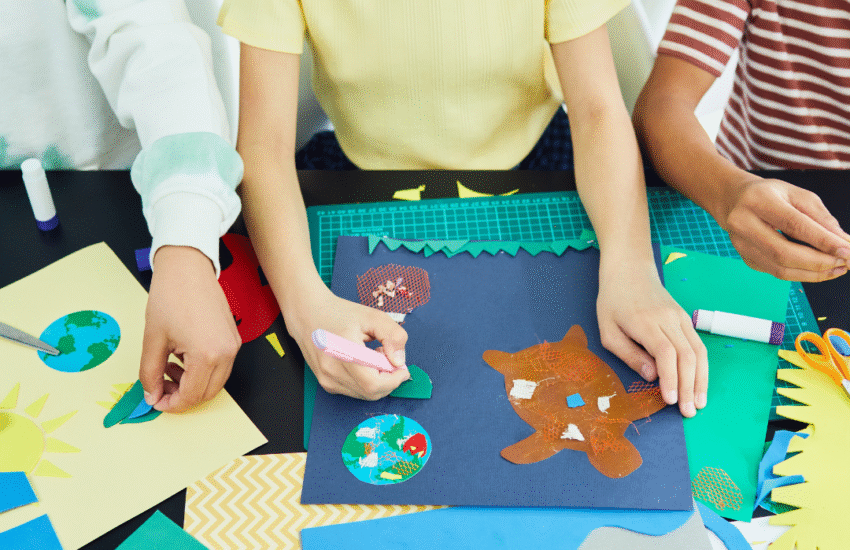
- Art and Crafting: Engaging in creative activities allows for expression while promoting focus.
- Gardening: This outdoor activity nurtures patience and connection to nature.
- Walking: Mindful walking encourages awareness of surroundings and bodily sensations.
Each of these activities can be tailored to fit personal preferences, further supporting relaxation and improvement in mental well-being.
Designing the Ideal Environment
Creating a space that fosters mindfulness involves several essential elements. These elements contribute to a calming atmosphere and support activities that promote inner peace and relaxation. The following sections explore specific strategies for designing an ideal environment suited for mindful hobbies.
Essential Elements of a Calming Atmosphere
A calming atmosphere is crucial for engaging in mindful activities. Key elements include:
- Color Palette: Soft, neutral colors like blues, greens, and pastels encourage relaxation. Avoid overly bright or saturated hues, as they can be stimulating.
- Lighting: Utilize natural light whenever possible. Soft, warm lighting from lamps can create a peaceful ambiance.
- Organization: Keep the space tidy and clutter-free. An organized environment helps reduce distractions and increases feelings of mental clarity.
Incorporating these elements can significantly enhance the mindfulness experience, providing a nurturing backdrop for hobbies such as flower arranging or gardening.
Integrating Nature and Mindfulness in Your Space
Nature can have a profound impact on relaxation and mental clarity. To integrate this aspect:
- Plants: Introduce indoor plants, which not only purify the air but also create a calming presence. Consider low-maintenance options like succulents or ferns.
- Natural Materials: Use furniture and decor made from wood, stone, or bamboo. These materials connect the space to nature and promote a sense of tranquility.
- Forest Bathing: Create zones that mimic natural environments. A designated corner with earthy elements can serve as a retreat for mindful practices.
By merging nature into the design, the environment becomes a serene haven for relaxation.
Personalizing Your Space for Relaxation
Personalization enhances the connection to the space. Consider these factors:
- Artwork: Display artwork that resonates with personal experiences or emotions. This can foster positive feelings and encourage mindfulness.
- Comfort Items: Include soft blankets, cushions, and cozy seating to promote comfort during meditation or hobbies.
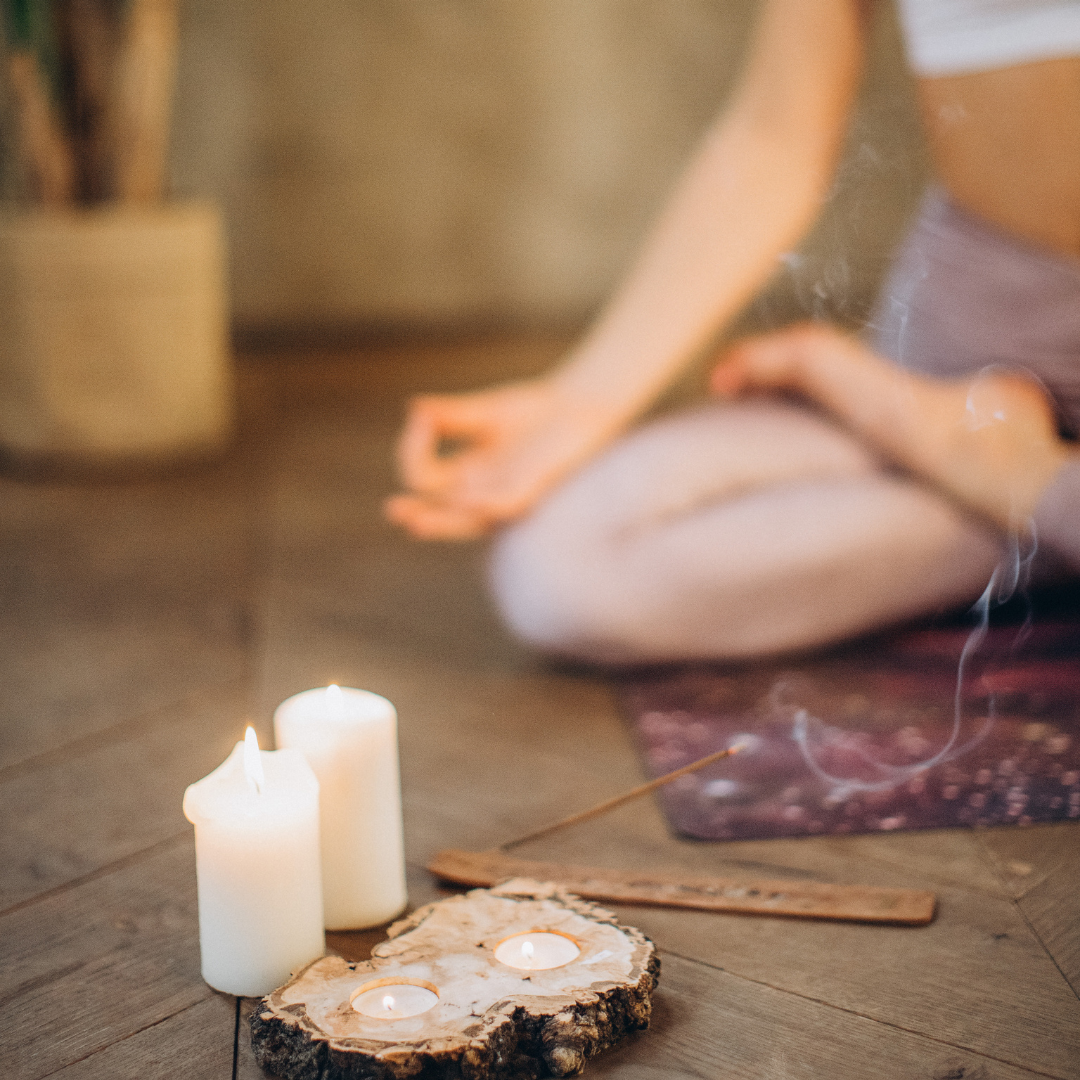
- Aromatherapy: Use essential oils or scented candles that evoke calmness. Lavender and chamomile are popular choices for fostering relaxation.
A personalized space reflects individual preferences, making it a more inviting place for mindful activities.
Incorporating Sensory Details for Tranquility
Sensory elements can deepen the mindful experience. Key aspects include:
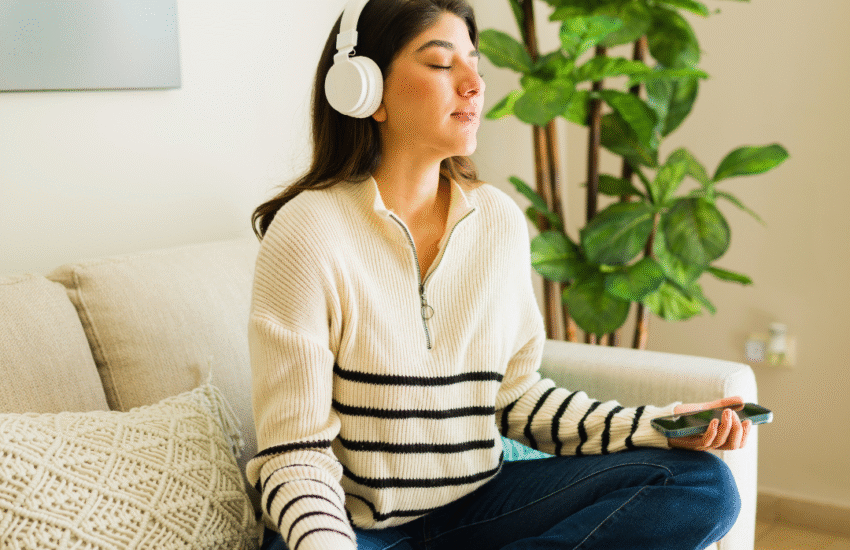
- Sound: Soft background music or nature sounds can enhance relaxation. Consider using apps or devices designed to produce calming soundscapes.
- Texture: Incorporate various textures through rugs, blankets, and cushions. Different textures can provide tactile stimulation and comfort.
- Aromas: Implement incense or diffusers with calming scents. These sensory details promote relaxation, enhancing activities like flower arranging or gardening.
By focusing on these sensory details, the environment supports a soothing atmosphere conducive to mindfulness.
Mindful Hobbies and Their Unique Needs
Mindful hobbies are diverse and require specific environments to enhance enjoyment and focus. Each type of hobby serves different needs related to creativity, movement, exploration, and relaxation.
Creative Expression: Art, Music, and Writing
Creative hobbies, such as painting, drawing, and writing, thrive in spaces that inspire imagination. Natural light benefits artists, making a well-lit room ideal. Quiet surroundings enhance concentration for writing or music practice.
Access to supplies is crucial. Organizing art materials or musical instruments minimizes distractions. Incorporating comfortable seating encourages longer sessions, whether for journaling, calligraphy, or playing a musical instrument.
Setting aside time for these activities promotes regular creative expression, reducing stress. Spaces designed with inspiration in mind, like mood boards or a specific color palette, can ignite passion and enhance creativity.
Movement and Physical Activity
Movement-oriented hobbies such as yoga, running, or cycling require accessibility and space. For yoga and pilates, a calm, uncluttered environment fosters focus and tranquility. Adequate room ensures safety during practice.
Outdoor spaces are beneficial for activities like hiking and cycling, promoting a connection with nature. The presence of greenery and fresh air can enhance physical and mental well-being.
Incorporating tools such as mats and weights supports exercise routines. Creating a dedicated area for movement helps establish a habit, making it easier to engage consistently and maintain motivation.
Exploration and Learning New Skills
Hobbies centered around exploration, like learning a new language or photography, need a stimulating environment. A quiet workspace with resources easily accessible aids in focused learning.
Joining community classes or online groups can offer support and motivation. This social connection fosters accountability.
Having tools such as notebooks, cameras, or language learning apps enhances the learning experience. Regular experimentation and practice further deepen competency, encouraging individuals to explore new avenues and interests.
Therapeutic Hobbies for Relaxation
Therapeutic hobbies, such as meditation, knitting, or gardening, necessitate a peaceful environment to thrive. A serene setting allows for deep breathing and mindfulness, crucial for practices like meditation.
Crafting activities like crocheting or sewing often offer rhythmic motions that can reduce anxiety. Creating a cozy, inviting space with supplies organized promotes a sense of calm and focus.
Engaging in activities like bird watching, cooking, or baking provides both relaxation and a sense of accomplishment. These hobbies allow for creativity while promoting mental well-being and relaxation, enhancing overall quality of life.
Cultivating Habits for Ongoing Mindfulness
Establishing consistent habits surrounding mindfulness hobbies can lead to improved mental clarity and increased self-expression. A balanced approach encourages a nurturing therapeutic experience, allowing individuals to stay anchored in the present moment.
Building Consistency in Your Practice
Creating a routine helps in making mindfulness a predictable part of daily life. Individuals can benefit from setting specific times for their hobbies. This could mean dedicating 30 minutes each morning to painting or journaling.
By initiating small, achievable goals, they can gradually increase their commitment. Tracking progress through a journal can also reinforce consistency. Each entry serves as a reminder of the commitment to the practice.
Consider using accountability tools, such as habit-tracking apps or joining hobby-related groups. Engaging with others makes the experience more enjoyable while also reinforcing the habit.
Balancing Structure and Flexibility
While structure is important, flexibility allows individuals to adapt their practices based on their current state of mind. A rigid schedule may lead to stress, which counters the mindfulness goal.
Setting guidelines for hobbies—like a timeframe or certain supplies—can provide the necessary structure. Yet, leaving space for spontaneity is equally crucial. This can mean exploring new techniques or even switching hobbies based on interest.
Individuals should listen to their needs, adjusting their practices as necessary. Being aware of mental and emotional states aids in creating an environment that fosters both growth and relaxation.
Encouraging Self-Expression and Growth
Mindfulness hobbies offer a platform for self-expression, allowing individuals to explore their thoughts and emotions creatively. Encouraging experimentation with different media or techniques can foster growth.
For example, someone who sketches may explore watercolor to expand their artistic skills. This can lead to deeper emotional connections and insights about oneself.
Engaging in community activities, such as workshops, can enhance the learning experience. Sharing work with others facilitates feedback that may lead to personal growth. The act of creating in a supportive environment nurtures both self-expression and mindfulness.