5 Baking Tips for Perfect Cakes Every Time: Master Your Baking Skills
Baking the perfect cake requires precision and attention to detail. With the right techniques and ingredients, anyone can achieve moist, flavorful layers that rise beautifully and taste exceptional. These five essential baking tips will equip readers with the knowledge to enhance their cake-making skills and tackle common pitfalls.
Every baker, novice or experienced, faces challenges in the kitchen. Understanding the science behind baking can make a significant difference in the outcome. From ingredient measurements to baking times, the right approach sets the stage for success.
This guide focuses on simple yet effective strategies that can turn an average cake recipe into a delightful masterpiece. Readers can look forward to achieving consistent results and impressing friends and family with their baking.
Mastering Cake Preparation
Successful cake baking relies heavily on precise techniques and quality ingredients. Proper preparation sets the foundation for a cake that rises beautifully and has the right texture.
Accurate Measurement Techniques
Accurate measurements ensure consistency in baking results. Using a kitchen scale is the most effective method. It allows for precision, especially with ingredients like flour, which can vary in weight based on how it’s packed.
Consider these tips for measuring:
- Flour: Spoon it into a measuring cup and level it off with a knife to avoid packing.
- Sugar: Granulated sugar can be scooped and leveled, while brown sugar should be packed into the cup.
- Liquids: Use a transparent liquid measuring cup for precision and check at eye level.
Following these techniques minimizes errors that could impact the cake’s structure.
Choosing the Right Cake Ingredients
Selecting quality ingredients significantly affects the final product. Primary components include:
- Cake flour: This has a lower protein content compared to all-purpose flour, resulting in a lighter cake.
- Butter: It adds rich flavor and moisture. Choosing unsalted butter allows for better control over salt content in the recipe.
- Leavening agents: Use fresh baking powder or baking soda; old leavening agents can lead to flat cakes.
Reading labels and opting for high-quality ingredients can make a substantial difference in taste and texture.
Importance of Room Temperature Ingredients
Bringing ingredients to room temperature aids in proper emulsification. Ingredients like butter, eggs, and dairy should not be cold.
Room temperature ingredients blend more evenly, leading to a uniform batter.
- Butter: Softens and incorporates air better when at room temperature.
- Eggs: They help to create structure in the cake.
She recommends allowing these ingredients to sit out for at least 30 minutes before mixing. This simple step enhances the cake’s texture and rise.
Expert Mixing & Battery Handling
Mastering mixing and batter handling techniques is essential for achieving consistently perfect cakes. These processes impact the texture, rise, and overall quality of the final product.
Proper Creaming of Butter and Sugar
Creaming butter and sugar is a foundational step in cake preparation. This technique involves beating softened butter with sugar until the mixture is light and fluffy. When using an electric mixer, start on a low speed to avoid sugar flying out.
Key points:
- Use room temperature butter for easier creaming.
- Cream for about 3 to 5 minutes until the mixture is pale and fluffy.
The air incorporated during this process helps produce a light sponge cake. If a hand mixer is used, ensure that it has sufficient power for optimal results.
Avoiding Overmixing for Fluffy Cakes
Overmixing can lead to a dense cake, ruining its texture. As flour is combined with the creamed mixture, the gluten development increases, affecting the cake’s fluffiness.
To avoid this, mix just until the ingredients are combined.
Tips include:
- Fold dry ingredients gently using a spatula or a whisk.
- Stop mixing as soon as there are no visible flour streaks in the batter.
This careful approach helps maintain the delicate structure necessary for a fluffy cake.
Achieving the Right Cake Batter Consistency
The consistency of the cake batter affects its behavior during baking. A well-mixed batter should flow but not be too runny.
For ideal consistency:
- The batter should drop slowly from a spoon but hold its shape.
- If the batter is too thick, add a small amount of liquid gradually until the desired consistency is reached.
A mixture that is too watery can result in a sponge that lacks height and density, while a thick batter may not rise properly. Monitoring these details is crucial for baking success.
Ensuring Even Baking and Texture
Achieving even baking and the right texture involves essential elements like the choice of bakeware and precise oven control. Careful attention to these factors contributes to cakes rising perfectly without any unwanted surprises.
Selecting the Correct Bakeware
Choosing the right bakeware is crucial for even baking. Bakeware should be made from materials that distribute heat efficiently. Metal pans are excellent for most cakes due to their conductivity. For denser cakes like pound cakes, a loaf pan or Bundt pan helps maintain structure.
Using dark-colored pans can absorb heat more quickly, which may lead to uneven baking. Adding parchment paper to the base prevents sticking and ensures easy removal. Additionally, using baking spray on the sides helps cakes rise and prevents unwanted sticking.
Precise Oven Temperature Control
Oven temperature plays a vital role in baking success. An oven thermometer can help ensure accuracy, as many home ovens can be off by significant degrees. Preheating the oven is mandatory; a cold oven can lead to a sunken cake due to improper rising.
Baking at the correct temperature contributes to achieving a moist cake. For most cakes, a range of 325°F to 350°F is ideal. Adjusting the temperature based on the recipe and oven characteristics will yield better results.
Perfect Baking and Cooling Times
Baking time is another critical factor. Each recipe provides a recommended baking time, but external conditions can affect this. A standard cake may take anywhere from 25 to 40 minutes. Baking too long can create a dry cake, while underbaking can leave it sunken in the middle.
Once out of the oven, cooling on a rack allows air to circulate, which prevents steaming. Cakes should cool in their pans for about 10 to 15 minutes before transferring. This timing ensures a stable texture and prevents sudden collapse.
Achieving Beautiful and Delicious Cakes
Creating visually appealing and tasty cakes involves several key techniques. From ensuring even layers to perfecting the art of decoration, each step contributes to the cake’s final look and flavor.
Leveling and Layering for Evenness
Achieving even cake layers is crucial for a balanced cake. A level cake allows for proper layering and stability. After baking, the tops of cakes often domed. To achieve even layers, use a serrated knife to slice off any domed portions while the cake is slightly cool.
It’s advisable to measure the height of each layer for consistency. Use a cake stand or turntable to facilitate cutting. Layer cakes with complementary flavors, like chocolate cake with a vanilla buttercream, can enhance the overall taste experience.
Decorating With the Right Tools
Having the right tools is essential for effective cake decorating. An offset spatula is perfect for spreading frosting smoothly, while a cake turntable ensures easy rotation for even application.
Consider using piping bags for intricate designs or borders. Various nozzle tips can create patterns, flowers, or even simple swirls. A bench scraper can also be helpful to smooth the sides of the cake. When selecting frosting, ensure it complements the cake flavor. For instance, pairing a rich chocolate cake with a light ganache can elevate its taste.
Applying Finishing Touches and Frosting
Applying a crumb coat is a vital step in achieving a clean finish. This thin layer of frosting seals in crumbs and provides a smooth surface for subsequent layers. Allow it to sit in the refrigerator for about 30 minutes.
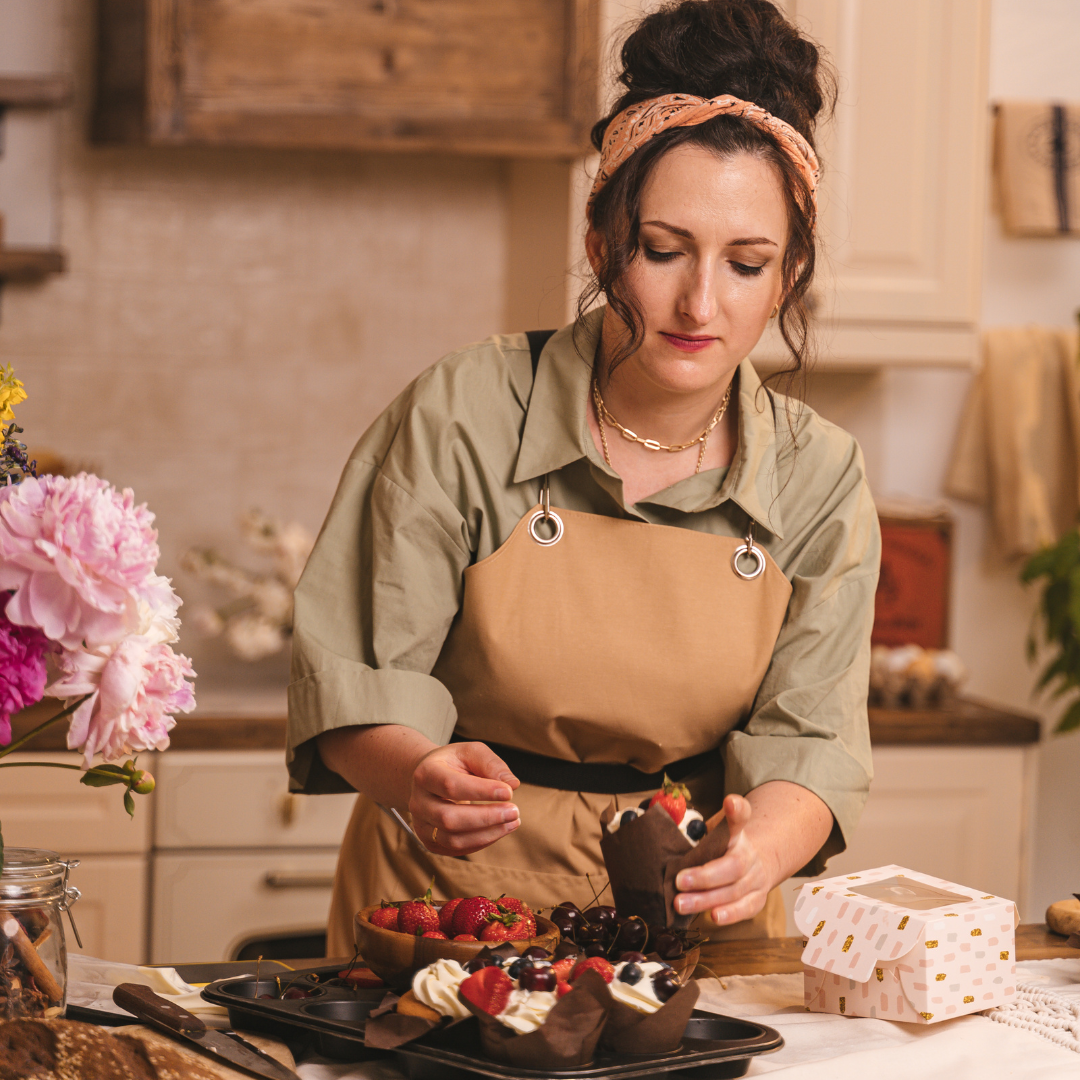
Once the crumb coat is firm, apply a final layer of frosting with the offset spatula, ensuring an even distribution. For added texture, consider techniques like swirling or marbleizing different frostings. To elevate the cake’s appearance, consider garnishing with fresh fruits, chocolate shavings, or edible flowers. These finishing touches can make a cake not just delicious but also visually appealing for any occasion.